
Transcript
Announcer:
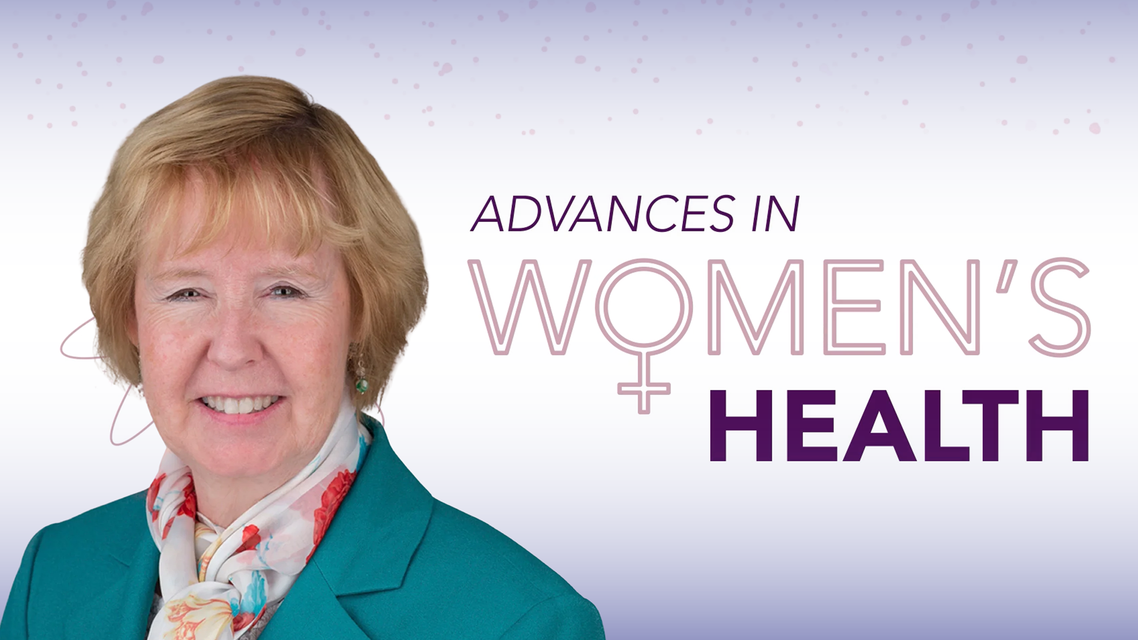
This is Advances in Women’s Health on ReachMD. On this episode, Dr. JoAnn Pinkerton will be discussing hormone therapy for women experiencing perimenopause and menopause. Dr. Pinkerton is the Women’s Midlife Help and Mamie Jessup Professor of Obstetrics and Gynecology at the University of Virginia. She also serves as Division Director for the Midlife Health Center at UVA and is the Emeritus Executive Director and past President of The Menopause Society. Let’s hear from her now.
Dr. Pinkerton:
The main reasons that we consider hormone therapy during the menopause transition and menopause are for significant vasomotor symptoms—hot flashes and night sweats—that are affecting them. So with a mild hot flash, they just have a sensation of warmth. Moderate will be with sweating. And with severe, it actually stops their activity. And so looking at how frequent they are and how severe they are will help us know if we actually need medications.
Sometimes during perimenopause, we'll talk about contraception, because it can control bleeding or prevent unwanted pregnancy that can occur during this time. But the other reasons for hormone therapy is that it's going to preserve bone density, decrease the risk of fractures, and may have benefits in terms of the heart and brain when started close to menopause. It can also improve quality of life.
The guidelines from all the major medical societies recommend hormone therapy be offered to menopausal women who are under age 60, less than 10 years from menopause with bothersome vasomotor symptoms, no contraindications, and no excess risk of cardiovascular disease or breast cancer. Hormone therapy is the most effective treatment for the vasomotor symptoms of menopause.
You know, when you think about that Women's Health Initiative study that was published in 2002, it raised concerns about the safety of hormone therapy for both patients and physicians. But what we've learned since then in the reanalysis is that the WHI only used a single strength of an oral conjugated estrogen and an oral synthetic progestin. The trial only had a few women who are actually good candidates for hormones under age 60 and less than 10 years, and they actually excluded people who were having fairly significant vasomotor symptoms. And then, in 2007, this data got reanalyzed, and we looked at the women under 60 within 10 years of menopause, and we actually found benefits in less heart disease and less mortality. And the breast cancer risk really appears to be the addition of that synthetic progestin. Estrogen by itself doesn't seem to have that same risk, at least not in the short-term use.
And then, in November of 2025, the boxed warning that had scared both providers and women was removed from both systemic and vaginal estrogen therapy. And that's because the warning was felt to be overstated and not based on contemporary hormone use, where we often use these lower doses of bioidentical estradiol and progesterone.
Announcer:
You just heard Dr. JoAnn Pinkerton talking about the role of hormone therapy in menopause care. To access this and other episodes in our series, visit Advances in Women’s Health on ReachMD.com, where you can Be Part of the Knowledge. Thanks for listening!